In today's dynamic business landscape, understanding settlement agreements is crucial for UK small business owners and HR professionals. These legal documents play a vital role in resolving workplace disputes and managing employee exits. This comprehensive guide will demystify them, outlining their purpose, key components, and best practices for implementation. Whether you're a seasoned HR manager or a small business owner wearing multiple hats, this article will equip you with the knowledge to navigate these agreements confidently and effectively.
What Are Settlement Agreements?
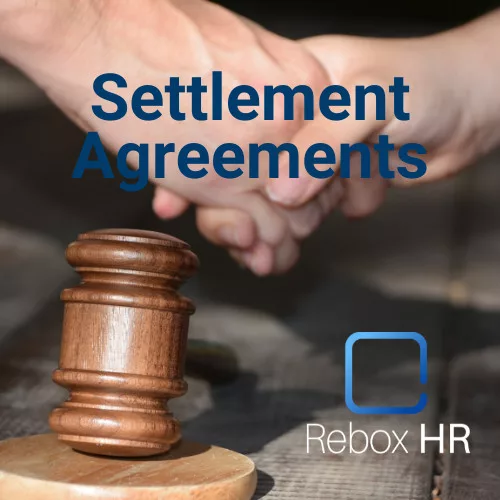
Settlement agreements, formerly known as compromise agreements, are legally binding contracts between an employer and an employee. They typically mark the end of an employment relationship or resolve a workplace dispute. Their primary purpose is to prevent an employee from pursuing legal claims against the employer in exchange for a financial payout or other benefits.
Key Components:
Financial compensation
Confidentiality clauses
Reference provisions
Non-disparagement terms
Tax implications
Legal advice requirement
Why Use Settlement Agreements?
These agreements offer several advantages for both employers and employees:
For Employers:
Mitigate legal risks
Protect company reputation
Ensure a clean break
Control costs associated with potential tribunal claims
For Employees:
Receive financial compensation
Secure a positive reference
Avoid the stress of legal proceedings
Maintain confidentiality
Legal Requirements in the UK
To be legally binding, a settlement agreement must meet specific criteria:
It must be in writing
It must relate to a particular complaint or proceedings
The employee must receive independent legal advice
The adviser must have appropriate insurance
The agreement must identify the adviser
It must state that the statutory conditions have been satisfied
Frequently Asked Questions:
Q: Can an employee be forced to sign?
A: No, these agreements are voluntary. An employee cannot be forced to sign and should have sufficient time to consider the terms.
Q: Who pays for the legal advice required?
A: Typically, the employer contributes towards the cost of the employee's independent legal advice, although this is not a legal requirement.
Q: Are they confidential?
A: Generally, yes. Most include confidentiality clauses, but there are exceptions, such as whistleblowing cases.
Q: Can an employee still claim unfair dismissal after signing?
A: In most cases, no. The purpose of the agreement is to waive an employee's right to bring claims against their employer.
Best Practices for Implementation
Engage in open and honest dialogue
Provide a reasonable timeframe for consideration
Ensure clarity in terms and language
Offer fair and reasonable compensation
Maintain confidentiality throughout the process
Seek professional HR and legal advice
The Role of HR Consultants
For small businesses without dedicated HR departments, navigating this process can be challenging. This is where an HR consultancy like Rebox HR can provide invaluable support. Our experienced team can:
Guide you through the entire process
Draft legally compliant agreements
Advise on fair compensation packages
Mediate discussions between employers and employees
Ensure compliance with UK employment law
Provide ongoing support and advice
Case Study: A Successful Resolution
Consider the case of a small UK-based tech start-up facing a potential unfair dismissal claim from a senior developer. By engaging our HR project support services, the company was able to:
Assess the situation objectively
Draft a comprehensive agreement
Negotiate terms that satisfied both parties
Avoid costly tribunal proceedings
Maintain confidentiality and protect company reputation
The result was a smooth resolution that allowed the business to focus on growth rather than legal disputes.
Common Pitfalls to Avoid:
Rushing the process
Underestimating the importance of clear communication
Failing to seek professional advice
Overlooking tax implications
Neglecting to consider non-financial terms
Settlement agreements are powerful tools for resolving workplace disputes and managing employee exits in the UK. By understanding their purpose, key components, and best practices, small business owners and HR professionals can navigate these complex documents with confidence. Remember, seeking expert advice from a consultancy like ours can provide invaluable support throughout the process, ensuring compliance with UK employment law and achieving optimal outcomes for all parties involved. With the right approach and guidance, these agreements can pave the way for amicable resolutions and allow businesses to focus on growth and success.
Further Guidance
Rebox HR: Partnering with an HR Consultant: A Comprehensive Guide for Small Business
ACAS guidance: https://www.acas.org.uk/settlement-agreements
UK Government guidance: https://www.gov.uk/dismissal/dismissal-agreements
CIPD factsheet: Employment Tribunals Factsheet (cipd.org)